 Bay Area Roof Solutions
Understanding the Differences in Roof Replacement Techniques
When it comes to repairing a damaged roof, homeowners often face the decision of choosing between overlay and tear off methods. Each approach has its own set of benefits and drawbacks, making it crucial to understand their differences. This knowledge will help you make an informed choice that suits your home’s specific needs. Whether you’re looking for cost-effectiveness or long-term durability, knowing which method works best is essential.
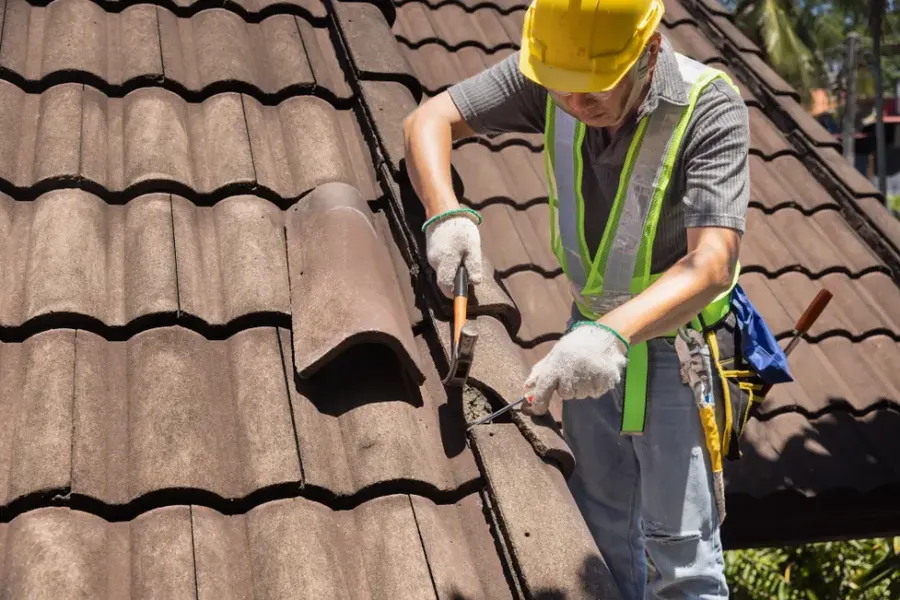
What Is an Overlay?
An overlay involves placing new shingles over existing ones. This method is often considered when the roof’s structure is still in good condition but the shingles show wear. One advantage of this process is that it can be quicker and less expensive than a full tear off. However, it’s important to ensure that local building codes allow for overlays, as some areas have restrictions on how many layers of shingles can be applied.
Tear Off: A Fresh Start
The tear off method involves removing all old roofing materials down to the deck before installing new shingles. This process allows for a thorough inspection of the decking for damage or rot. If issues are found, they can be fixed before adding new shingles, ensuring a longer-lasting solution. Although more expensive upfront compared to overlays, this approach often results in greater long-term reliability.

Key Considerations in Roof Replacement
A critical factor to consider with roof replacement is the structural integrity of your home. A tear off might be necessary if multiple layers are already present or if there’s extensive damage to the deck. For homes with minor cosmetic issues, an overlay could suffice. It’s also wise to think about future plans; if longevity is a priority, opting for a tear off may save money and hassle later on.
Pros and Cons of Overlay and Tear Off
- Overlay Pros: Cost-effective, faster installation, less waste
- Overlay Cons: Added weight, potential hidden damage, limited layers allowed
- Tear Off Pros: Complete inspection opportunity, long-lasting, addresses underlying issues
- Tear Off Cons: Higher initial cost, more labor-intensive, more time-consuming
Steps Involved in Each Method
- Overlay Steps:
- Inspect existing roof for suitability
- Prepare surface by cleaning debris
- Install new shingles over the old ones
- Tear Off Steps:
- Remove all old roofing materials
- Inspect and repair any damage to the decking
- Install new underlayment followed by shingles
Cost Implications and Value
The initial cost of a tear off is typically higher due to increased labor and material needs. Yet, it provides peace of mind by addressing potential hidden problems. Overlays offer savings upfront but may lead to additional expenses if unseen issues arise after installation. Assessing your budget along with expected lifespan can aid in selecting the most viable option for your home.
Expert Recommendations for Your Home
If you’re unsure which method to choose, consulting with a professional roofer can provide clarity. They can evaluate your roof’s current state and advise based on factors like climate, roof age, and personal preferences. Their expertise ensures that you select a method that will deliver both performance and value.
Your Next Steps With Our Team
Deciding between overlay and tear off can feel overwhelming, but our team at Bay Area Roof Solutions is here to guide you through the process. Located in Hayward, GA, we specialize in tailored solutions that meet your specific roofing needs. Contact us today at (510) 963-3672 to schedule a consultation and take the first step toward enhancing your home’s safety and appeal.