 Bay Area Roof Solutions
A Look at the Siding Process and What It Involves
Getting new siding for your home is a significant investment. It not only enhances curb appeal but also protects your house from weather elements. Understanding what happens during a siding installation project can help you prepare better. This guide provides insights into the process, challenges, and benefits, ensuring you’re equipped with all the necessary information to make informed decisions.
The Benefits of Adding New Siding
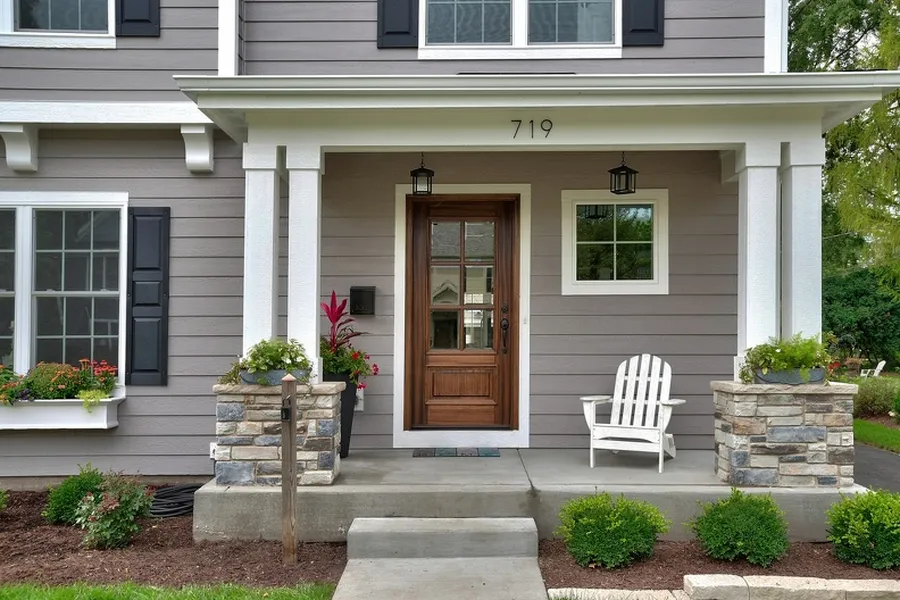
New siding offers many advantages to homeowners. Firstly, it improves the aesthetic appeal of your house, making it look fresh and modern. Secondly, quality siding acts as an insulator, which can reduce energy bills by keeping your home warmer in winter and cooler in summer. Additionally, new siding increases property value, providing a great return on investment if you decide to sell your home in the future.
Pain Points to Watch Out For
While the benefits are clear, there are some challenges you might face during a siding installation. Homeowners often worry about the cost, which varies based on material and labor. Timing is another concern; installations can be affected by weather conditions, potentially delaying the project. Furthermore, choosing between different materials-like vinyl, wood, or fiber cement-can be overwhelming due to varying prices and maintenance needs.
Steps in the Siding Process
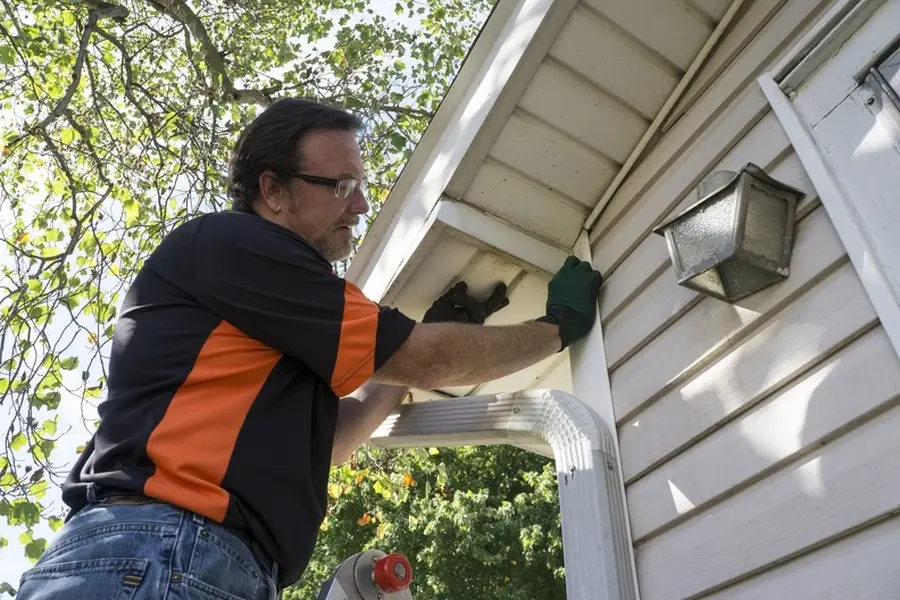
Understanding each step involved helps manage expectations and timing. Here’s how most projects typically unfold:
- Inspection and assessment of existing siding
- Removal of old siding and disposal
- Repair of underlying walls if needed
- Installation of insulation layers where applicable
- Fitting of new siding panels meticulously
- Final inspection to ensure everything meets standards
Best Practices for Smooth Installation
To ensure a smooth siding installation experience, consider these tips:
- Select reputable contractors with proven track records
- Confirm that your contractor has appropriate insurance coverage
- Choose high-quality materials that suit your climate conditions
- Set a realistic budget considering both material and labor costs
- Communicate clearly with your contractor about timelines and expectations
Industry Standards You Should Know
Siding projects must adhere to certain industry standards to ensure durability and safety. Professionals should follow local building codes and regulations regarding materials and installation methods. Moreover, the quality of installation directly impacts the siding’s performance, meaning skilled labor is essential for achieving lasting results.
Categorizing Costs Effectively
The cost of siding varies widely depending on choices like material type and project size. Vinyl tends to be the most affordable option, while wood and fiber cement may require higher upfront investments. However, these materials offer unique looks and longevity that can justify their price tag. It’s crucial to weigh initial costs against long-term benefits such as reduced maintenance expenses.
Final Thoughts on Your Siding Project
Embarking on a siding project involves several key considerations. By understanding the process stages, potential challenges, and available solutions, you can better plan your project. Whether aiming to enhance visual appeal or improve energy efficiency, knowing what to expect ensures smoother execution and greater satisfaction. Contact us at (510) 963-3672 for expert guidance tailored to your needs. At Bay Area Roof Solutions, we’re proud to serve residents across Hayward, GA with top-tier services.